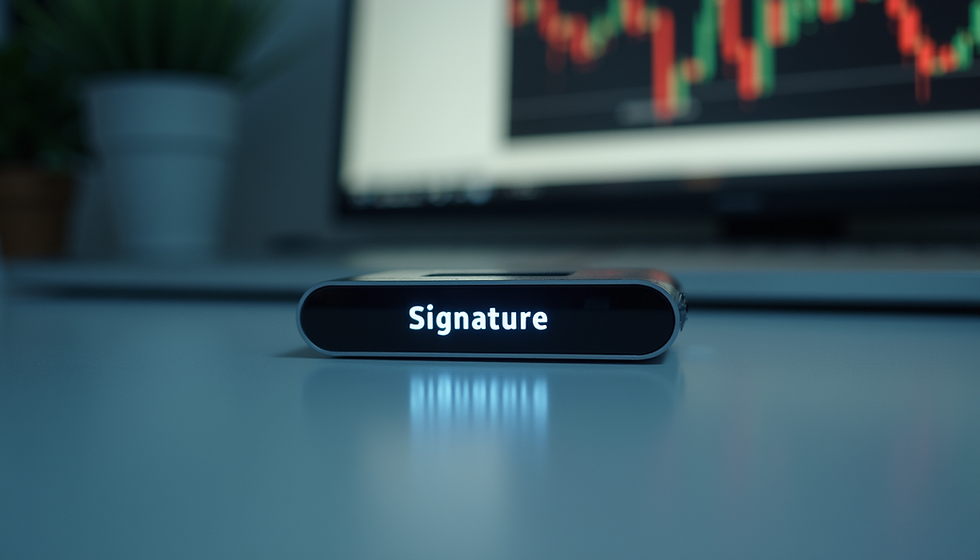
Digital Signatures and Digital Authentication Methods: A Modern Necessity

Updated: Dec 4, 2025
In today’s fast-paced world, the way we verify identity and approve documents has evolved dramatically. Traditional pen-and-paper signatures are no longer sufficient for many transactions, especially those conducted online. This shift has brought digital authentication methods to the forefront, transforming how businesses and individuals secure their communications and agreements. Among these methods, the digital signature stands out as a powerful tool that ensures authenticity, integrity, and non-repudiation in the digital realm.
Understanding Digital Authentication Methods
Digital authentication methods are techniques used to verify the identity of users or the authenticity of data in electronic environments. These methods are essential for maintaining trust and security in online transactions, communications, and data exchanges. Some common digital authentication methods include:
Passwords and PINs: The most basic form of authentication, relying on something the user knows.
Biometric Authentication: Uses unique physical characteristics such as fingerprints, facial recognition, or iris scans.
Two-Factor Authentication (2FA): Combines two different methods, such as a password and a one-time code sent to a mobile device.
Public Key Infrastructure (PKI): Uses cryptographic keys to secure communications and verify identities.
Digital Signatures: A cryptographic technique that provides proof of origin, identity, and consent.
Each method has its strengths and weaknesses, but digital signatures offer a unique combination of security and legal validity that makes them indispensable in many sectors.

Why Digital Signatures Are Essential Today
The rise of remote work, e-commerce, and online services has increased the need for secure and efficient ways to sign documents and verify identities. Digital signatures provide several key benefits:
Security: They use encryption to protect the signed document from tampering.
Legality: Many countries recognize digital signatures as legally binding, similar to handwritten signatures.
Efficiency: They speed up workflows by eliminating the need for physical document handling.
Cost Savings: Reducing paper use and postage costs benefits both businesses and the environment.
Traceability: Digital signatures create an audit trail, making it easier to track document history.
For example, a real estate company can close deals faster by using digital signatures to finalize contracts remotely. Similarly, healthcare providers can securely share patient consent forms without risking data breaches.
What is the difference between an electronic signature and a digital signature?
While the terms "electronic signature" and "digital signature" are often used interchangeably, they are not the same. Understanding the difference is crucial for choosing the right solution.
Electronic Signature: This is a broad term that refers to any electronic process indicating acceptance of an agreement or document. It can be as simple as typing a name, clicking "I agree," or using a scanned image of a handwritten signature. Electronic signatures are convenient but may lack strong security features.
Digital Signature: A subset of electronic signatures, digital signatures use cryptographic algorithms to provide a higher level of security. They ensure the document has not been altered after signing and verify the signer’s identity through a trusted certificate authority.
In summary, all digital signatures are electronic signatures, but not all electronic signatures are digital signatures. For sensitive or legally binding transactions, digital signatures are the preferred choice due to their enhanced security and compliance with regulations.

How to Implement Digital Signatures in Your Workflow
Adopting digital signatures can seem daunting, but with the right approach, it can be straightforward and highly beneficial. Here are practical steps to integrate digital signatures into your processes:
Choose a Trusted Provider: Select a reputable digital signature service that complies with local laws and industry standards.
Understand Legal Requirements: Familiarize yourself with regulations such as the Information Technology Act in India or the eIDAS regulation in the EU.
Train Your Team: Educate employees on how to use digital signature tools and the importance of security.
Integrate with Existing Systems: Many digital signature platforms offer APIs to connect with document management or CRM systems.
Test and Monitor: Start with a pilot project, gather feedback, and monitor usage to ensure smooth adoption.
By following these steps, organizations can reduce paperwork, speed up approvals, and enhance security.
Future Trends in Digital Authentication Methods
The landscape of digital authentication is continuously evolving. Emerging technologies and trends are shaping the future of how we verify identities and secure transactions:
Blockchain Technology: Offers decentralized and tamper-proof records, enhancing trust in digital signatures.
Artificial Intelligence (AI): Improves fraud detection and user verification through behavioral analysis.
Mobile Authentication: Increasing use of smartphones for biometric and multi-factor authentication.
Quantum Cryptography: Promises to revolutionize encryption methods, making digital signatures even more secure.
Staying informed about these trends will help businesses and individuals prepare for the next generation of digital security.
Embracing Digital Signatures for a Secure Tomorrow
The shift towards digital authentication methods is not just a technological upgrade but a necessity in the modern world. By adopting digital signature technology, organizations can enhance security, improve efficiency, and comply with legal standards. Whether you are a small business or a large enterprise, embracing these tools will position you for success in an increasingly digital economy.
Digital signatures are more than just a convenience - they are a critical component of trust and security in the digital age. Start exploring how they can transform your workflows today.